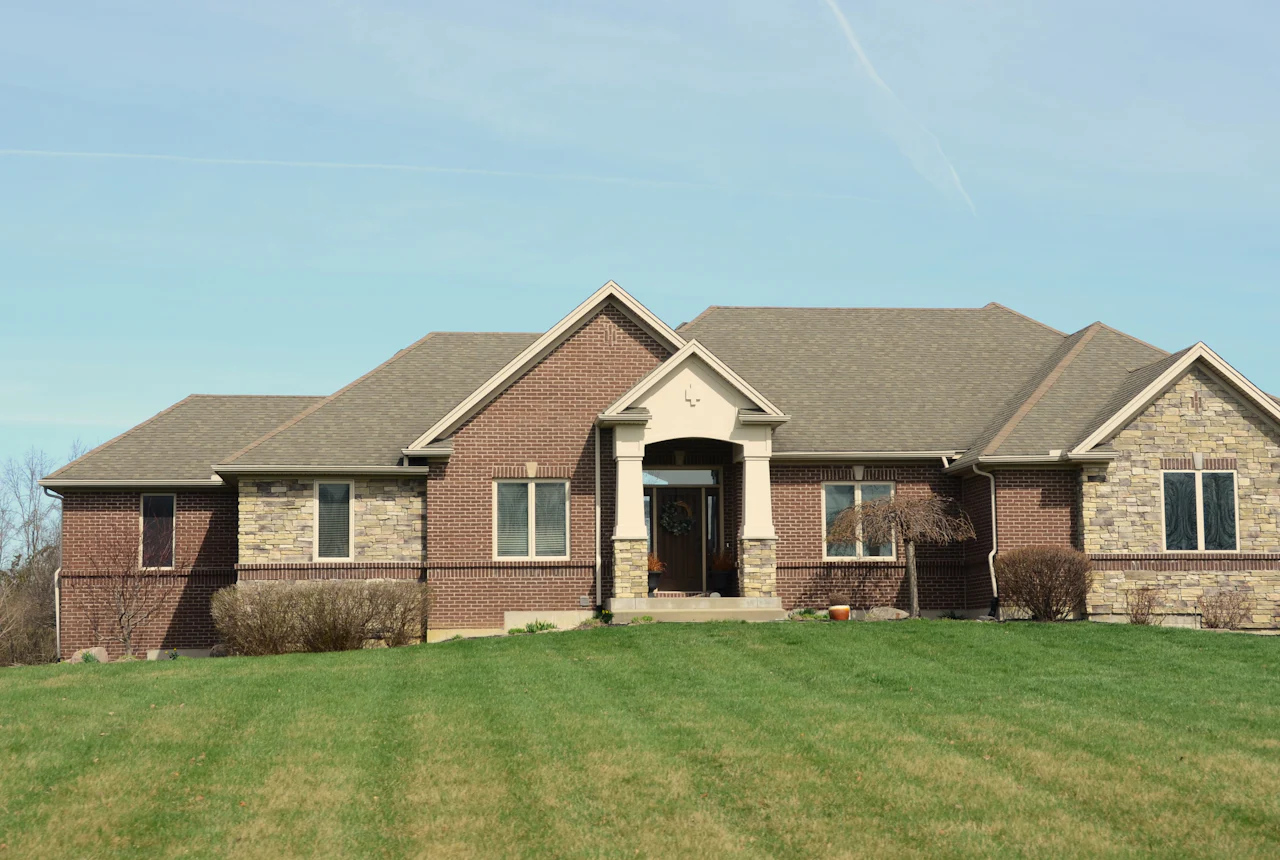
Understand Your Lawn Care Options.
Learn what common lawn care services do, when they may help, and what to consider before hiring a provider.
Common Lawn Care Services
These descriptions explain what each service generally covers. They are not claims that BestLawnCareDallas.com performs the work.
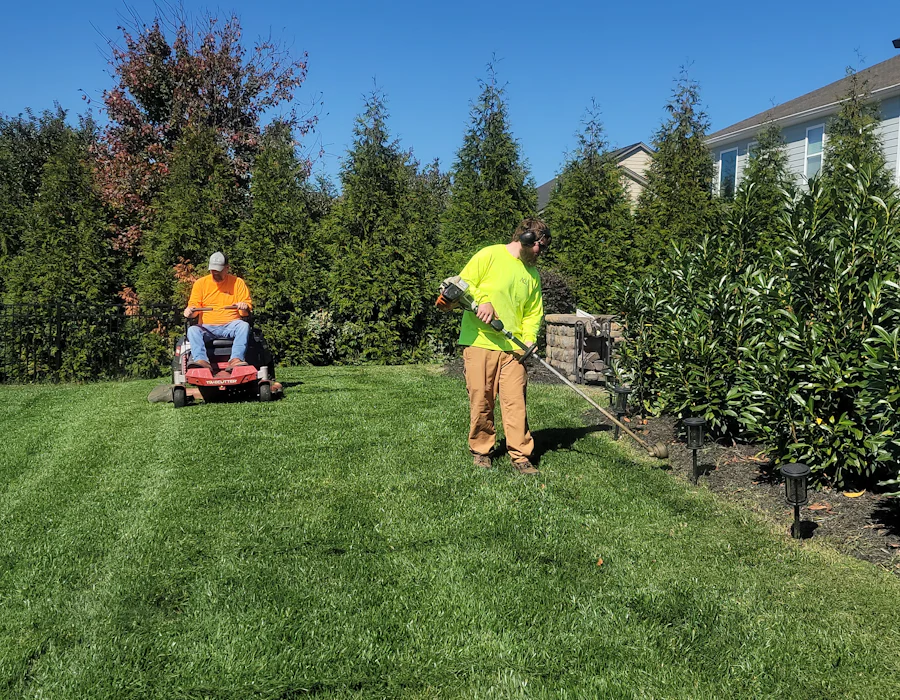
Lawn Mowing
Routine cutting, edging, and cleanup. The right schedule depends on turf growth, mowing height, and season.
Learn moreLawn Treatment
Programs that may address weeds, insects, or lawn disease after the problem has been identified.
Learn moreFertilization
Nutrient applications planned around turf type, growth stage, soil conditions, and time of year.
Learn moreAeration
Mechanical soil opening that can help relieve compaction and improve movement of air and water into the root zone.
Learn moreOverseeding
Adding seed to thicken suitable turf or establish seasonal color where that approach makes sense.
Learn moreIrrigation
Sprinkler checks, repairs, controller setup, and coverage troubleshooting for uneven or inefficient watering.
Learn moreLandscaping
Beds, shrubs, trees, edging, and other areas around the lawn that shape how the whole property functions.
Learn moreSeasonal Lawn Care
Cleanup, transition work, and maintenance tasks that change as North Texas moves through the year.
Learn moreSome Lawn Problems Are Easier to Diagnose in Person.
Professional help can be useful when a problem keeps returning, irrigation is difficult to troubleshoot, or the lawn needs work that is hard to complete with homeowner equipment.
Repeating lawn problems
If the same patches or symptoms return after basic corrections, an in-person diagnosis may help narrow the cause.
Irrigation troubleshooting
Uneven coverage, broken heads, and controller issues can create lawn symptoms that look like other problems.
Time or equipment limits
Aeration, large repairs, and routine mowing can be practical to outsource when the property or schedule makes DIY difficult.
How to Compare Lawn Care Providers
Use the same questions with each provider so you can compare the actual service rather than just the sales pitch.
Scope of work
Ask what is included, what is optional, and what the provider expects you to handle between visits.
Diagnosis before treatment
A clear explanation of the problem is more useful than a one-size-fits-all treatment recommendation.
Scheduling and communication
Understand visit frequency, notice periods, weather delays, and how changes are communicated.
Turf and property fit
The plan should make sense for your grass type, shade, drainage, irrigation, and how you use the yard.
Products and application details
Ask what type of treatment is being used, why it is being used, and what homeowner precautions apply.
Terms and cancellation
Read service terms before agreeing so you understand renewals, changes, and cancellation requirements.
Local Conditions Change the Plan
North Texas heat, seasonal weather swings, turf type, shade, irrigation coverage, and soil conditions can all change what a lawn needs.
Warm-season turf
Many Dallas-area lawns use warm-season grasses, so growth and maintenance change substantially between summer and winter.
Heat and watering
Summer stress can make irrigation and mowing decisions more important than adding more products.
Soil and drainage
Compaction, drainage, and root-zone conditions can affect how a lawn responds even when mowing and watering look correct.
Start With the Lawn Problem, Then Choose the Service.
Use our guides to understand what you are seeing, or contact the site with a question about our content and service-discovery resources.
BestLawnCareDallas.com is an informational resource and does not perform lawn care services.