
Practical Lawn Care Guidance for Dallas Homeowners.
Use this guide hub to troubleshoot St. Augustine problems, chinch bugs and other pests, watering and heat stress, grubs, recovery, and seasonal lawn care in Dallas.
Start With the Lawn Problem
For St. Augustine, the same brown or thin patch can come from water stress, pests, disease, roots, shade, or mowing. Start with the pattern before choosing a treatment.
Brown St. Augustine
Heat, drought, sprinkler coverage, chinch bugs, disease, and mowing stress can all produce brown areas. Start with location and pattern.
Explore topicChinch Bugs
Irregular yellow or brown patches during hot, dry weather can resemble drought. Confirm the insects before assuming.
Read chinch bug guideGrubs in the Lawn
Root-feeding grubs can weaken turf, but similar dead areas can come from drought, disease, or other root problems.
Explore topicYellow St. Augustine
Yellowing can involve water stress, roots, disease, or nutrients. The lawn pattern should guide what you check next.
Explore topicLawn Disease
Large patch, take-all root rot, and other disease problems can overlap visually with water and pest stress.
Explore topicThin or Bare St. Augustine
Shade, traffic, root stress, pests, mowing, and failed recovery can all leave St. Augustine thin or bare.
Explore topicBrowse Lawn Care by Topic
The library is being built around specific Dallas lawn problems first, with St. Augustine as the initial turf focus.
St. Augustine
Care, brown grass, yellowing, thinning, shade, heat stress, and recovery.
Chinch Bugs & Pests
Damage patterns, identification, chinch bugs vs drought, grubs, and what to inspect before treating.
Brown & Yellow Grass
Work from color, pattern, location, and timing to separate water, pest, disease, root, and mowing problems.
Watering & Heat Stress
Dallas heat, drought stress, sprinkler coverage, overwatering, and signs of uneven moisture.
Mowing
Cutting height, mowing frequency, blade care, and avoiding extra stress on warm-season turf.
Fertilization
When feeding may help, when to hold off, and why diagnosis should come before fertilizer.
Lawn Recovery & Sod
Repairing brown, thin, or bare turf and deciding when recovery care or replacement sod makes more sense.
Seasonal Care
How Dallas lawn priorities change through active growth, summer stress, fall transition, and winter dormancy.
Irrigation
Sprinkler coverage, controllers, dry zones, leaks, and repeatable watering patterns.
Professional Services
What common lawn care services cover and what to ask once you understand the likely lawn problem.
Lawn Care Through the Year
Use seasonal timing as context rather than a rigid treatment calendar. Turf condition, weather, pests, and irrigation can shift the right next step.
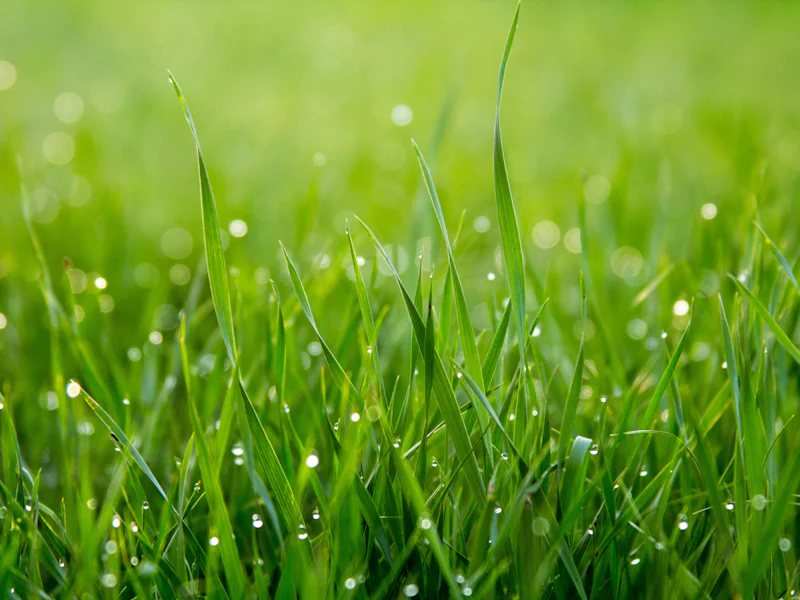
Spring
Look for renewed growth, irrigation problems, weeds, and areas that did not recover cleanly from winter.
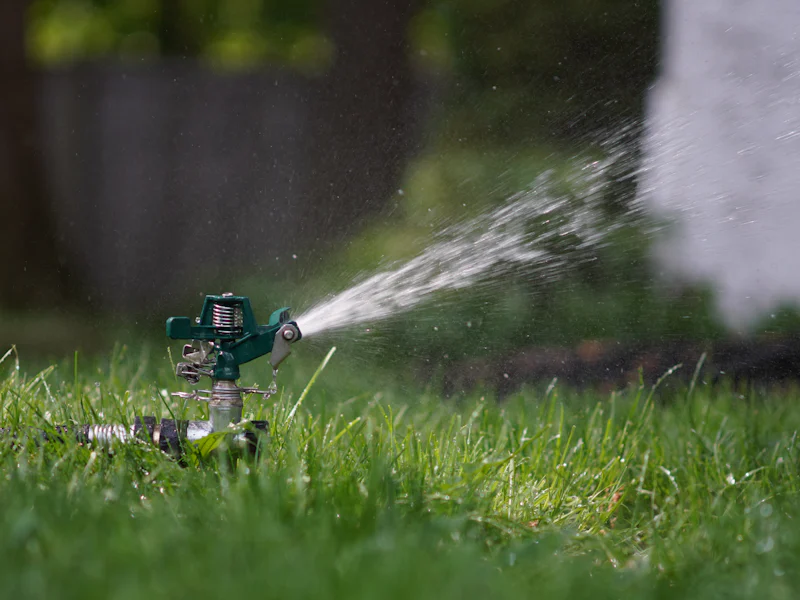
Summer
Heat stress, watering, irrigation coverage, chinch bugs, mowing height, and avoiding unnecessary stress become priorities.
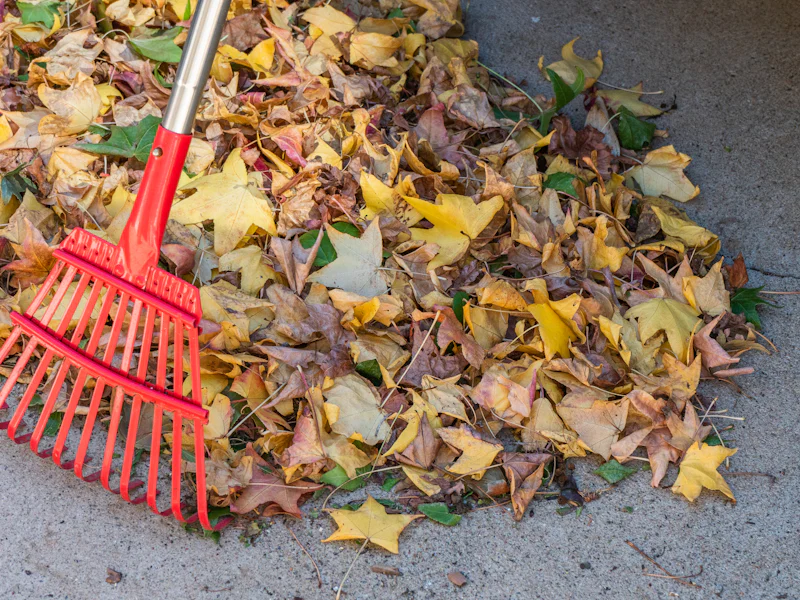
Fall
Evaluate lingering damage, recovery needs, soil or drainage issues, and what should wait for the next active growing period.
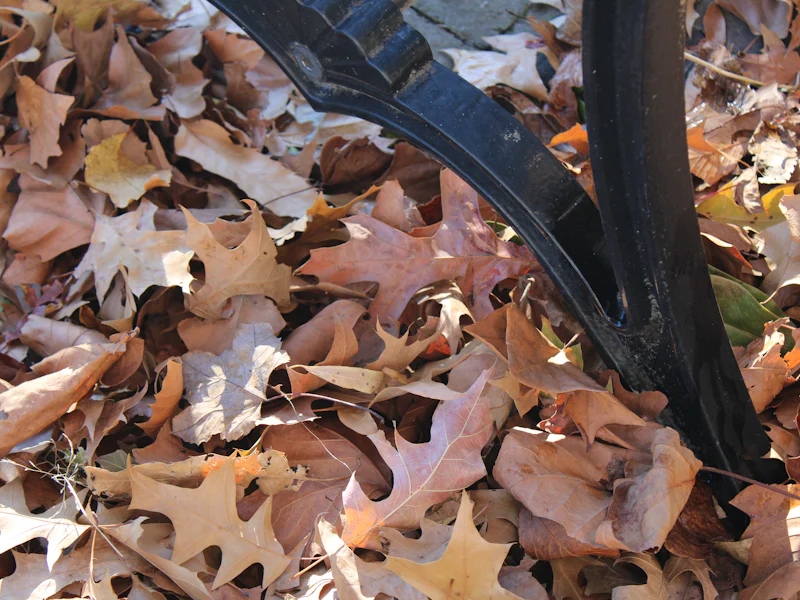
Winter
Warm-season lawns may be dormant. Use the slower period to separate normal seasonal color from persistent damage and plan ahead.
First Content Clusters
We are building the library around specific homeowner problems instead of broad filler topics. These are the first areas the site will cover deeply.
St. Augustine Problems
Brown, yellow, thin, and bare turf, plus the diagnostic steps that help narrow what is happening.
Browse problem guides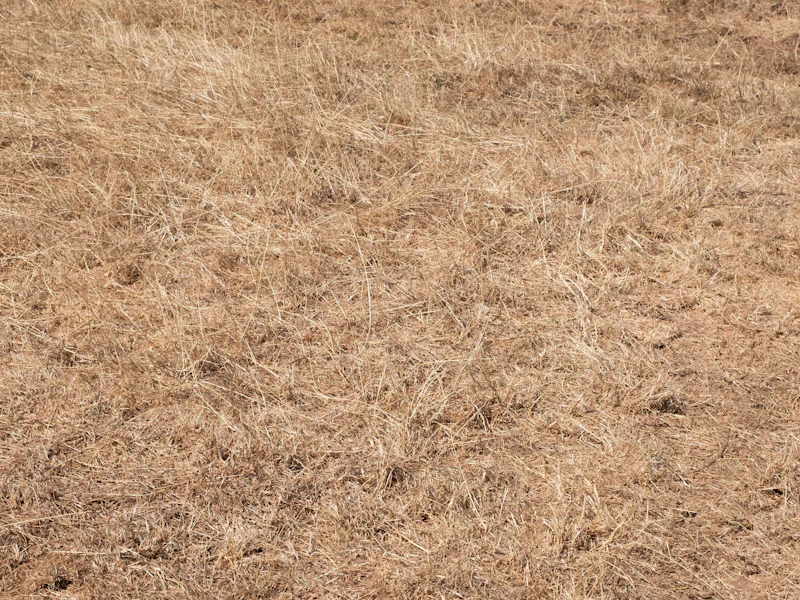
Chinch Bugs & Lawn Pests
Identification, damage patterns, chinch bugs vs drought, grubs, pest checks, and lawn recovery.
Browse problem guides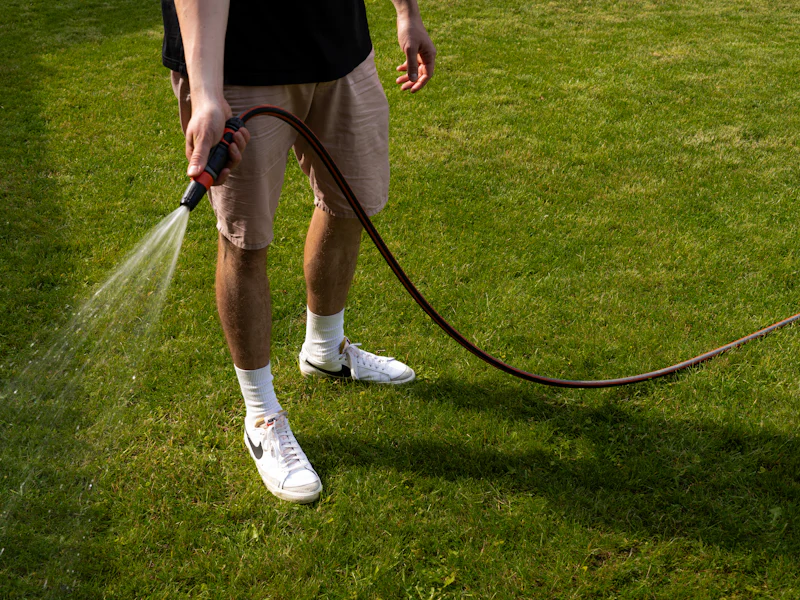
Watering & Heat Stress
How to separate drought stress from sprinkler coverage problems and pest damage in Dallas lawns.
Browse topicsLawn Recovery & Sod
What to do after brown or dead turf, when St. Augustine can recover, and when replacement sod may be the better path.
Dallas Seasonal Care
A practical framework for changing mowing, watering, diagnosis, and recovery priorities through the year.
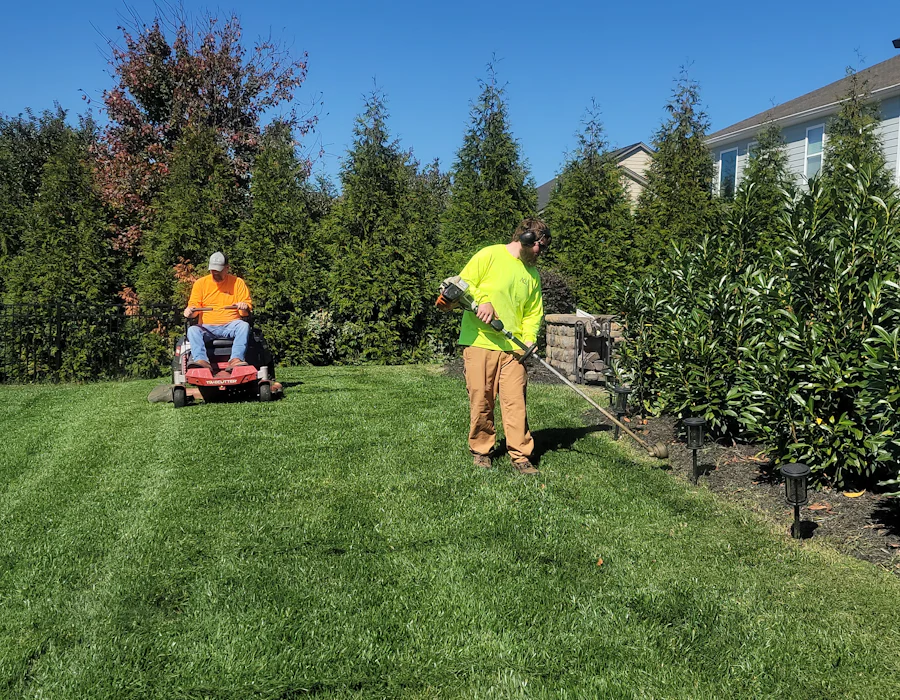
Professional Help
Use the diagnosis first, then compare treatment plans and service recommendations with better questions.
Use the Guides Before You Compare Services.
Knowing whether you are dealing with water stress, pests, disease, roots, or recovery makes it easier to evaluate a service recommendation.
Common questions
Questions homeowners ask before the next step
Use these questions to choose the right guide and avoid treating the wrong problem.
Where should I start if I do not know what is wrong with my lawn?
Start with the visible symptom: brown, yellow, thin, bare, wilted, or damaged turf. Then compare the pattern, location, timing, irrigation coverage, and signs of pest or root problems before selecting a treatment guide.
Which guide should I use for brown St. Augustine?
Begin with the lawn-problem guides and compare water stress, sprinkler coverage, chinch bugs, disease, mowing stress, and root issues. A brown area has several possible causes, so diagnosis comes before treatment.
Are the guides written for Dallas and North Texas conditions?
Yes. The site focuses on Dallas and North Texas lawn care, especially St. Augustine, summer heat, irrigation, pests, seasonal growth, and homeowner decisions. Local context is used where it materially changes the guidance.
When should I use a pest guide instead of a watering guide?
Use both when the symptoms overlap. For example, chinch bug injury can resemble drought stress. Check irrigation coverage and soil moisture, then inspect the edge of damaged turf for insects before treating for pests.
When should I move from a guide to professional help?
Professional help may make sense when the cause remains unclear after basic checks, damage is spreading, irrigation is difficult to troubleshoot, or the repair requires equipment or in-person diagnosis that is not practical to handle yourself.
For broader lawn care questions, visit the Dallas Lawn Care FAQ.